Naples · Since 2013
Licensed local guides through the UNESCO historic center, the underground city, the baroque churches and the seafront — at the pace of people who live here.
The City
Naples is one of the oldest continuously inhabited cities in Europe. The Greeks laid out Neapolis in the fifth century BC, and the grid they drew is still under your feet — Spaccanapoli runs dead straight along the old decumanus, and the city has built upward and downward on the same lines ever since.
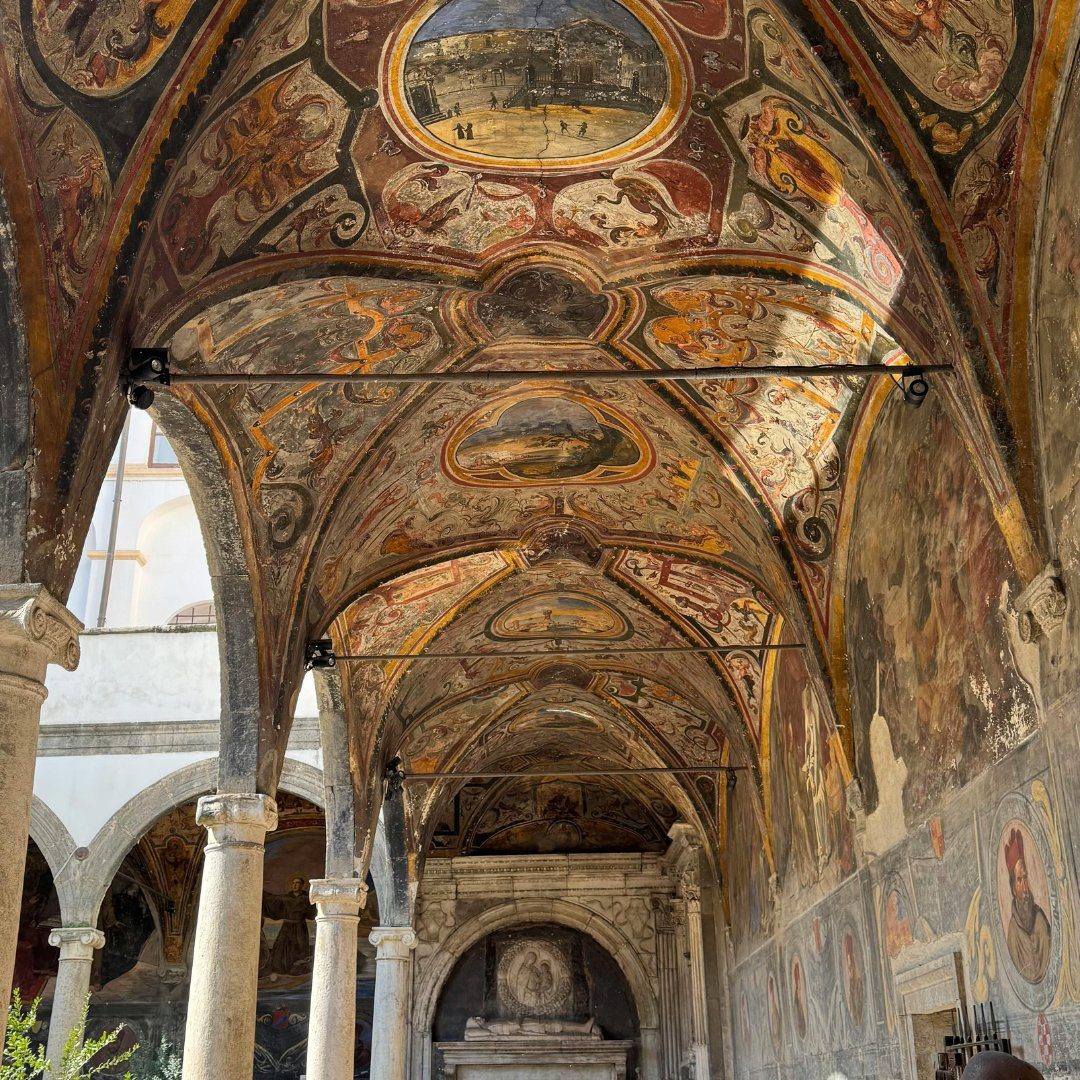
Walking it without context is beautiful but easy to miss. Walking it with a licensed local guide, you read the layers: a Greek wall inside a baroque cloister, a Caravaggio kept where it was hung in 1607, an aqueduct forty meters below a pizzeria. That is the tour — not a checklist of monuments, but the way the city actually fits together.
your guides at Tours Shared
Why Tours Shared
Every tour is led by a guide licensed by the Region of Campania — people who grew up here, ensuring you uncover the secrets behind its labyrinthine alleyways.
Maximum twenty travelers, most days eight to twelve. Small enough to hear the guide in a crowded alley and to actually fit inside the places worth entering.
Tailor made tours of Naples — the historic center, food and culture, baroque churches and underground sites, with departures from the cruise port, the city center, or your hotel in Naples or Rome.
Spaccanapoli
From above, the straight scar of Spaccanapoli cuts the old town clean in half. It follows the lower decumanus of Greek and Roman Neapolis, and along it the city stacked its churches one against the next.
We walk it slowly: San Domenico Maggiore, the Guglia, and the Cappella Sansevero, where Giuseppe Sammartino carved the Cristo Velato in 1753 — a marble veil so thin people once swore it was a chemical trick.
The City Below
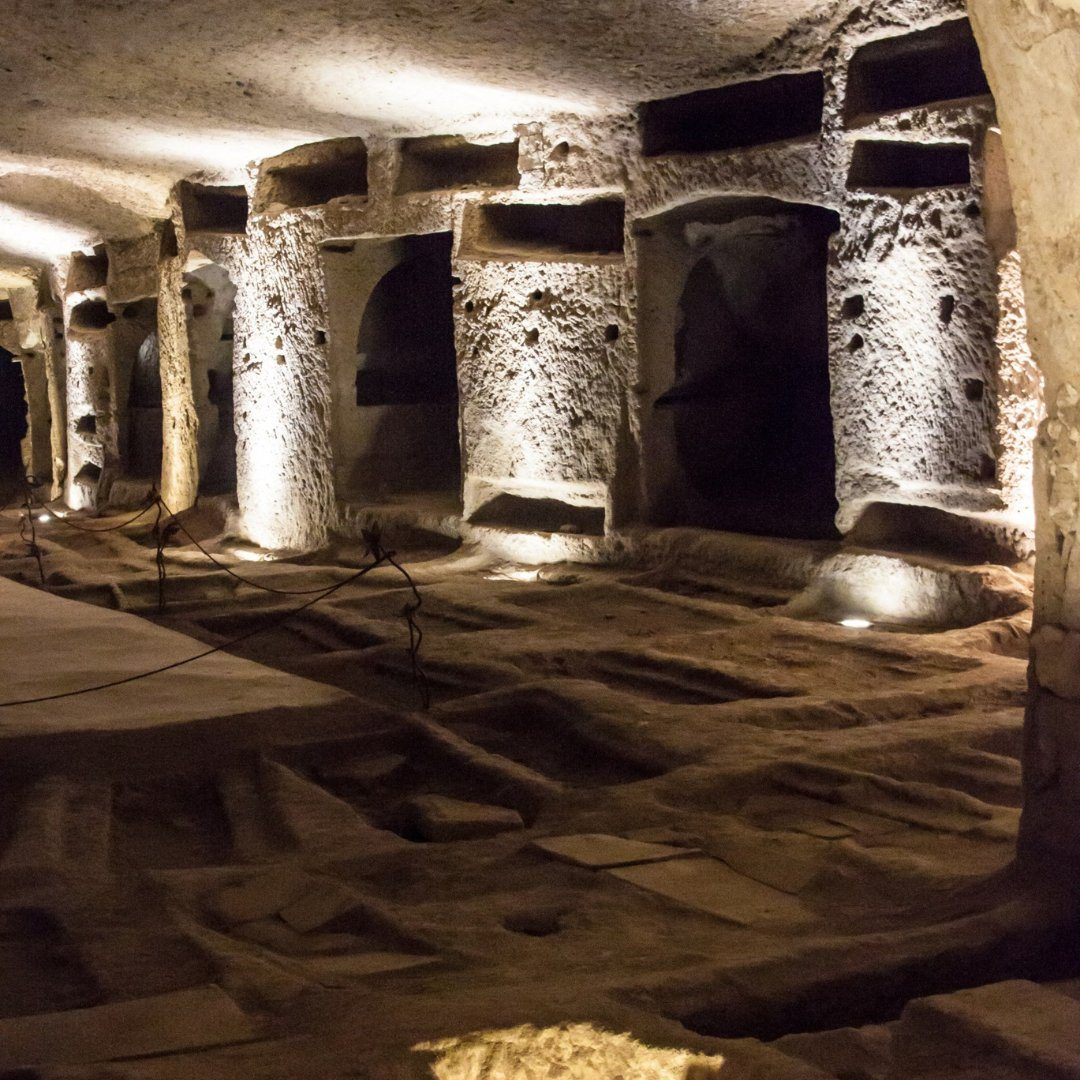
Forty meters under the centro storico runs a second Naples. The Greeks quarried tufa here to build the streets above; the Romans turned the voids into an aqueduct that fed the city for centuries.
During the Second World War the same cisterns sheltered thousands from the bombing. You descend by candle-narrow stairs, cross a Roman water channel, and come back up into the daylight of a courtyard you'd never have guessed was there.
The Patron Saint
Naples loves its saint with an intensity that surprises visitors. Beheaded near Pozzuoli in 305, San Gennaro is honored in the Duomo, where a vial of his dried blood is brought out three times a year.
When it liquefies, the city exhales. We tell the story inside the cathedral and the Royal Chapel of the Treasure — a baroque vault of silver busts and reliquaries — and explain why a chemistry that no one fully accounts for still stops a city of a million people.
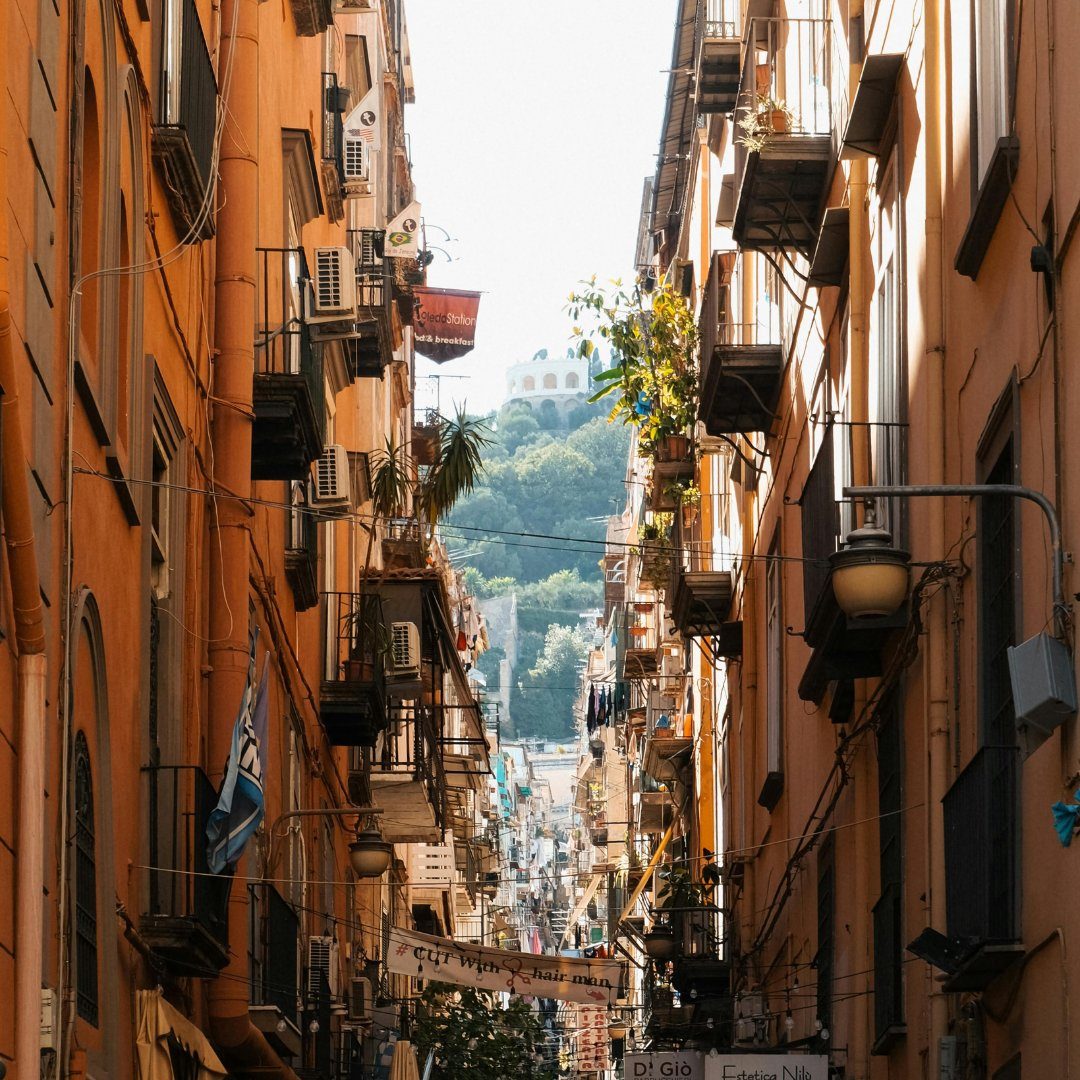
You can see more of life in a single Naples alley than most cities show you in a year.after Goethe, Italian Journey, 1787
In Pictures
Practical Info
Every Naples tour is built around you — a full city day, a focused half-day, a shore excursion timed to your ship, or a private walk with food and a cooking class added on.
Tell us where you're staying and what you most want to see, and we'll shape the route. Booking is by phone, WhatsApp, or through the main site, and everything is confirmed in writing before you arrive.
View Tours & Book8 hours, full day with stops at the main historic-center sites and the seafront, with the option of adding a cooking class or a food walk.
Maximum 20 people. Most days we run with 8–12.
English and Italian. French, Spanish, German on request.
Central Naples or Rome — confirmed at booking, again 24 hours before.
Walking shoes (the centro storico is cobblestone), sunscreen, light layer in shoulder season.
Routing adjustable for reduced mobility. Tell us at booking and we'll plan accordingly.
Ready When You Are
Naples +39 081 593 42 20 · Rome +39 06 5655 6987 · info@toursshared.com
Heritage
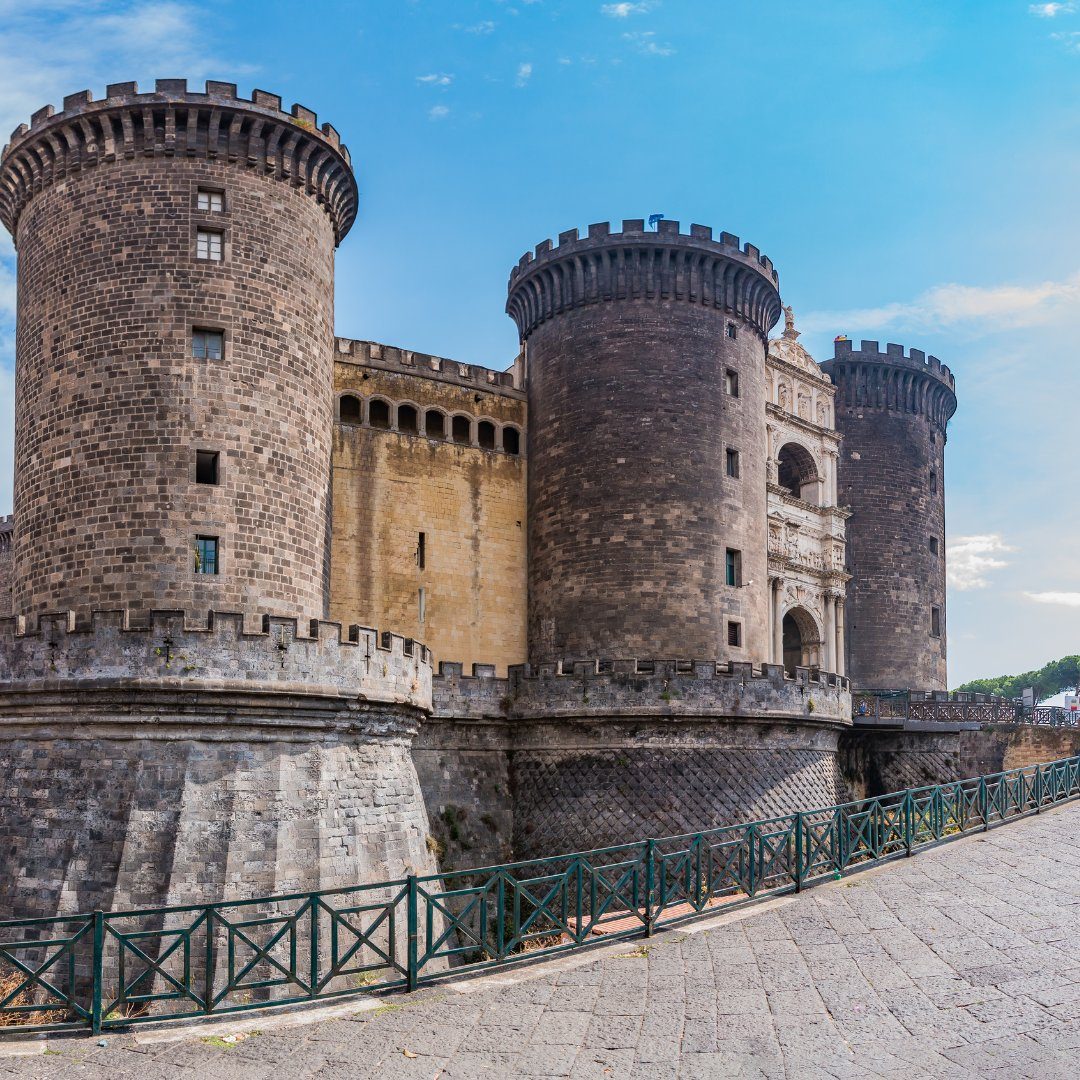
Naples has changed hands more often than almost any city in Europe, and it kept something from each. The Greeks gave it the street grid; Rome gave it the aqueducts; the Byzantine duchy, the Normans, and the French Angevins gave it castles like the Maschio Angioino, with its Aragonese triumphal arch of 1470.
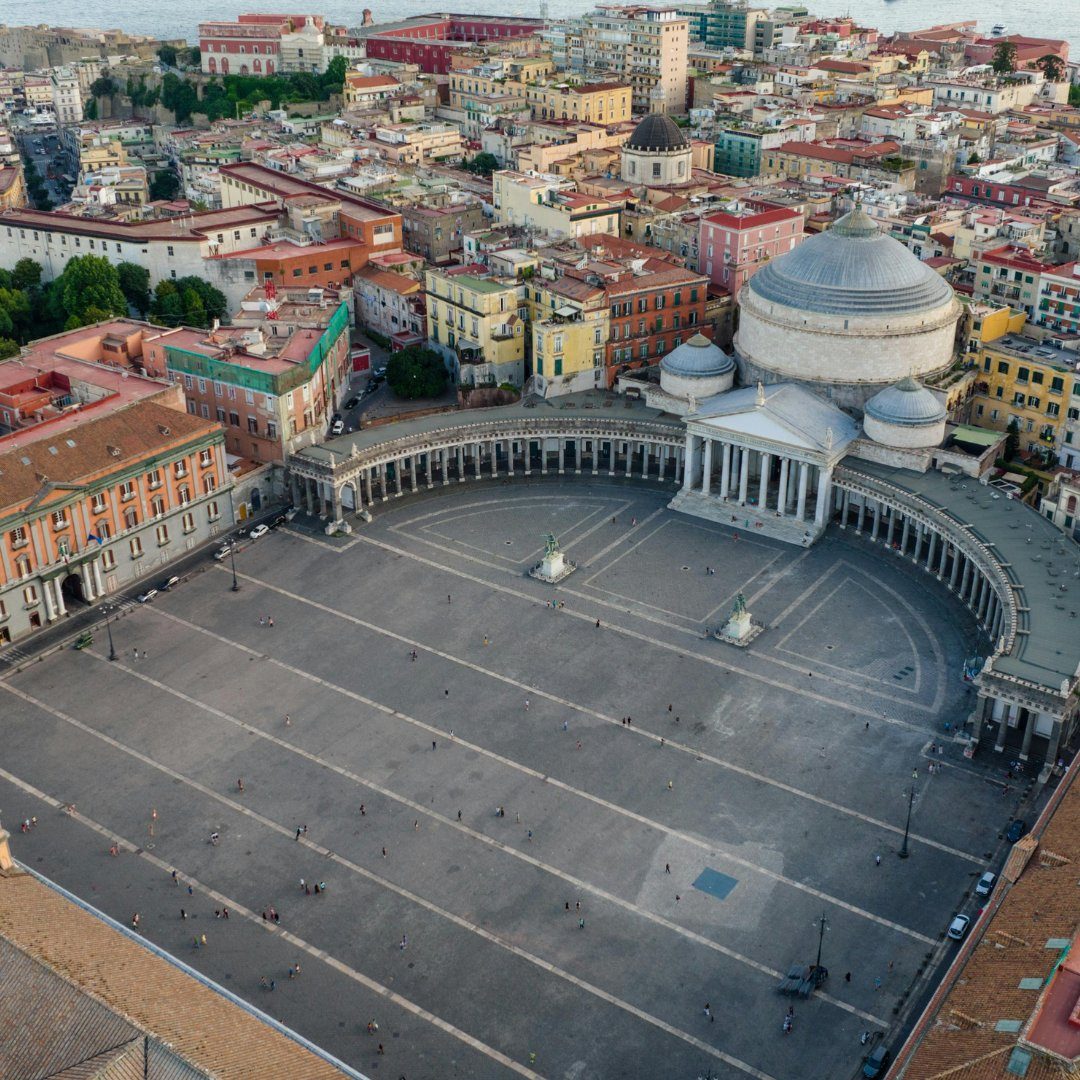
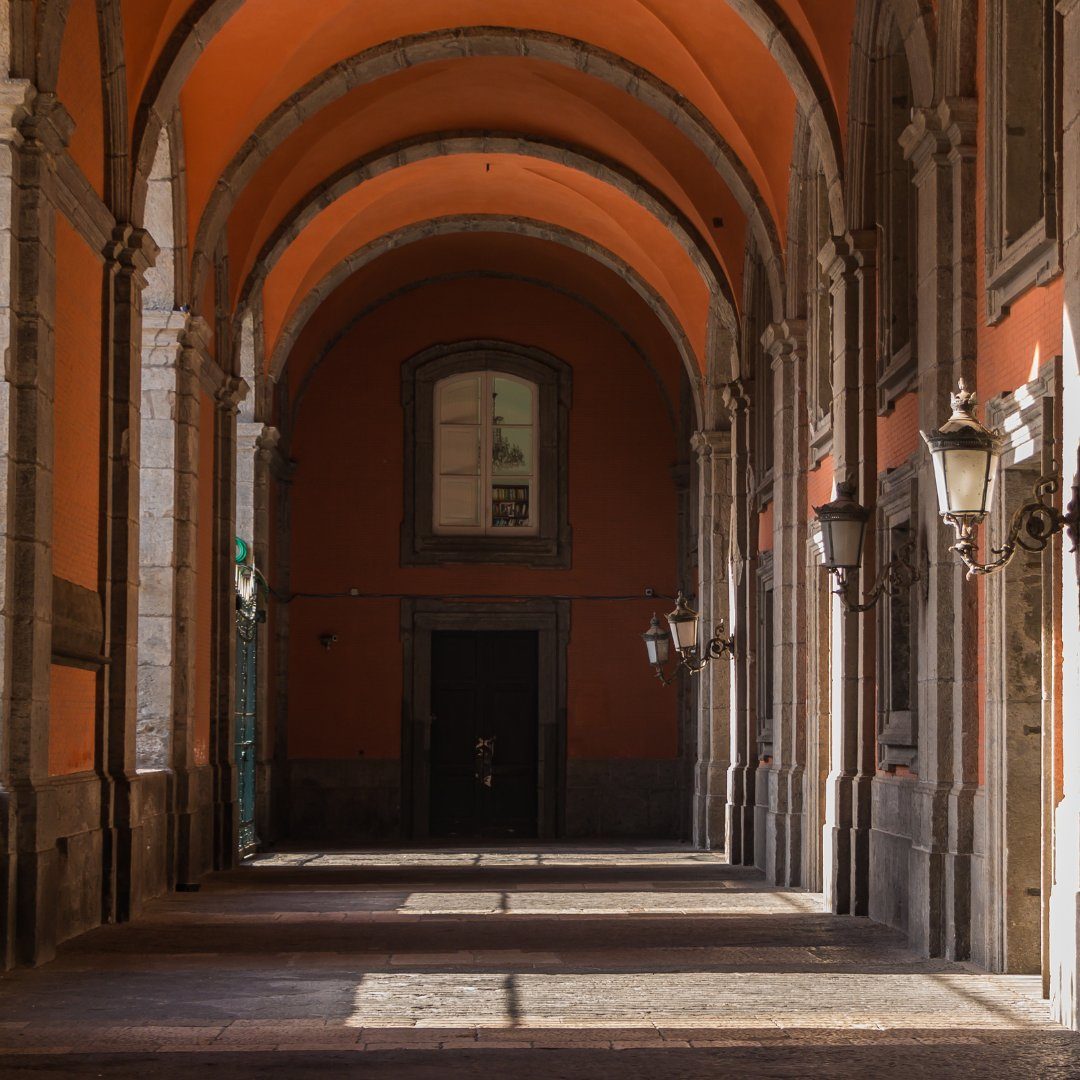
The Spanish and the Bourbons gave it the Royal Palace, the Teatro San Carlo — the oldest opera house in Europe still in use, opened in 1737 — and the baroque churches that crowd the old town. None of it is in a glass case. People still live in it, argue in it, hang their washing across it.
That continuity is the real subject of a Naples tour: a working city that has never stopped being itself.